





































































Make Your Own Phone Cover for a Style Refresh: A Simple Way to Update Your Everyday Carry
Why a small accessory can feel like a style reset
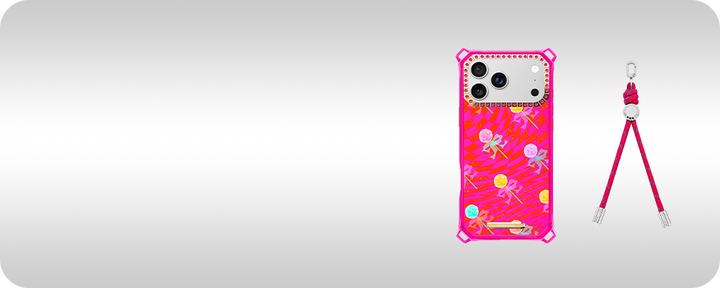
If you want an easy, visible way to refresh your look, make your own phone cover and treat your iPhone like an extension of your outfit. A custom case is an everyday accessory you touch and show dozens of times a day, so updating it can lift your mood and create a subtle but consistent style signal.
This is less about trends and more about coherence: choosing a case that reflects your current colors, textures, and mood can make both casual and professional outfits feel more intentional. The goal is practical — protect the device — while also giving you a small canvas for personal expression.

Start with a moodboard
Before you open a design tool, build a quick moodboard. Collect three to five images that capture the feeling you want: warm neutrals, bold graphics, soft pastels, or tactile materials like linen and leather. Use phone screenshots, magazine clippings, or a simple notes app; the visual exercise helps clarify what grabs your attention.
On the moodboard, note one word descriptors — for example, 'minimal,' 'playful,' or 'organic' — and let those guide color choices and pattern scale. A focused moodboard keeps decisions simple when you move to a case mockup and prevents second-guessing.
Match the case to your wardrobe palette
Pull a few core pieces from your closet and identify recurring colors. A signature accent color—like navy trim, a burgundy scarf, or a favorite neutral—can become the anchor for your case design. You don’t need to match exactly; instead, aim to complement the tones you wear most often.
If your wardrobe is mostly muted, a single pop of color or a tonal pattern on your case can feel fresh without clashing. Conversely, if you love prints and color, choose a case that balances scale so it doesn’t compete with patterned clothing.

Design choices and practical selection tips
Decide on pattern scale, edge color, and whether you want a matte or glossy look. Smaller, finer patterns read as texture from a distance and work well with business attire; larger graphics read as statement pieces. Keep in mind that camera openings, button access, and port cutouts are part of the final visual — leave margins so important elements aren’t cropped awkwardly.
When you choose a model, check exact model availability before ordering. iPhone sizes and camera layouts change between generations, so confirming the listing ensures the case will fit your device. Also confirm any model-specific compatibility details shown on the product page.

A simple proofing checklist before you order
1) Alignment: Confirm key parts of your design aren’t placed where the camera or buttons will sit. 2) Scale: View a mockup at actual size if possible to check pattern scale. 3) Contrast: Ensure text or fine details remain legible against the chosen background. 4) Edge treatment: Decide how the design wraps or terminates at the case edges. 5) Functional fit: Reconfirm your exact iPhone model on the product page so you order the correct size. Going through this list reduces surprises when your case arrives.
A helpful iPhone case option to consider
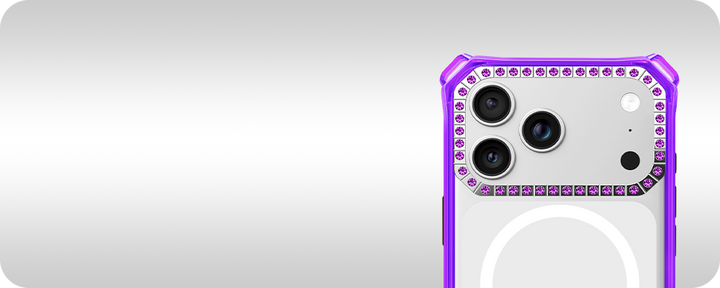
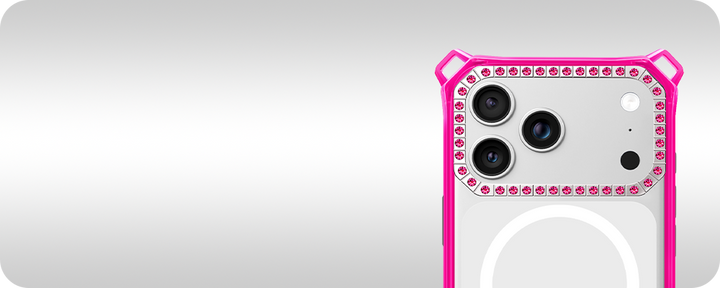
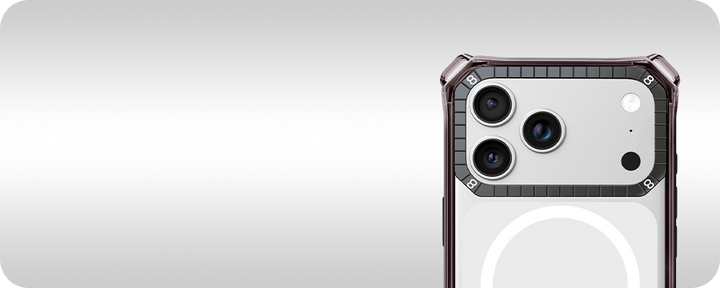
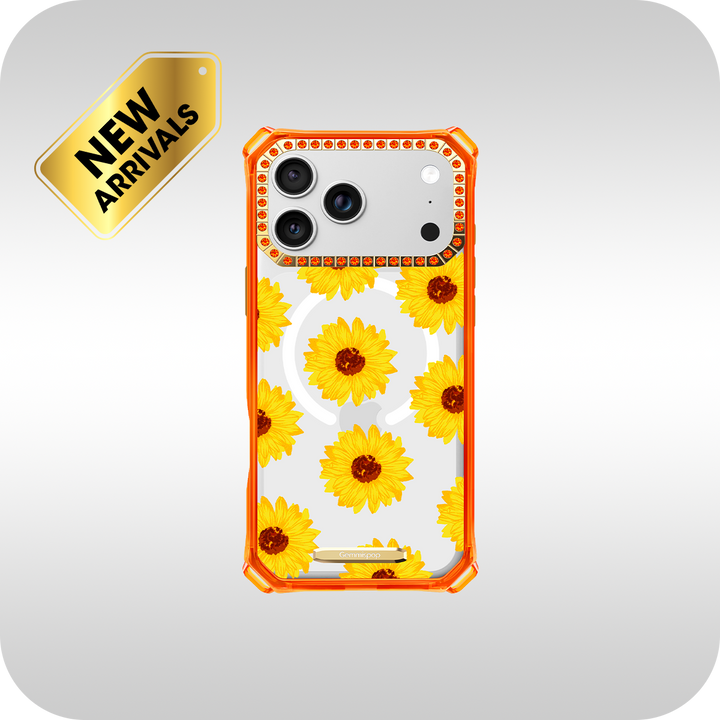
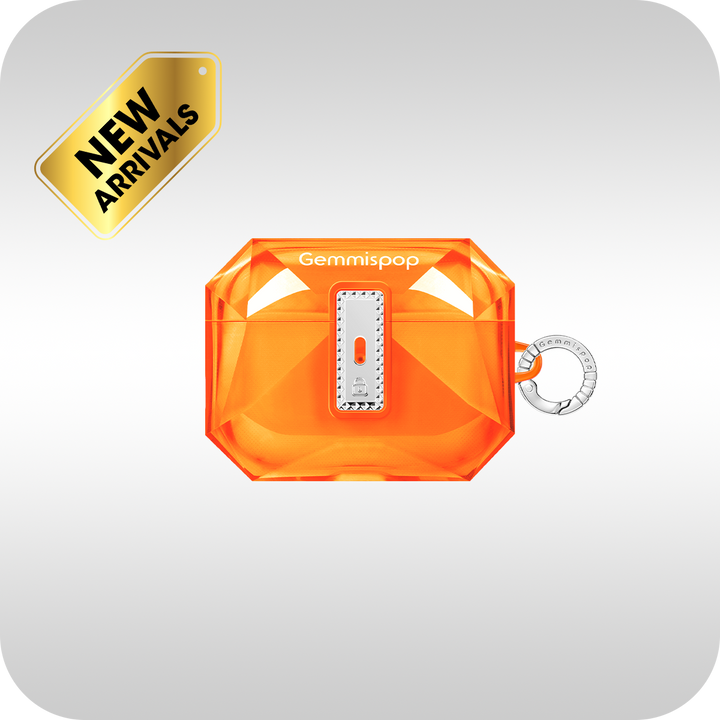
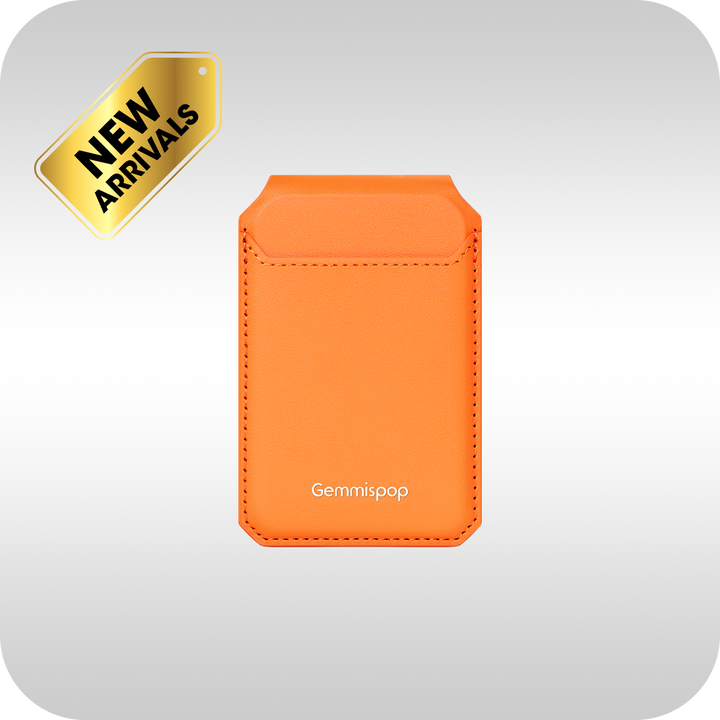
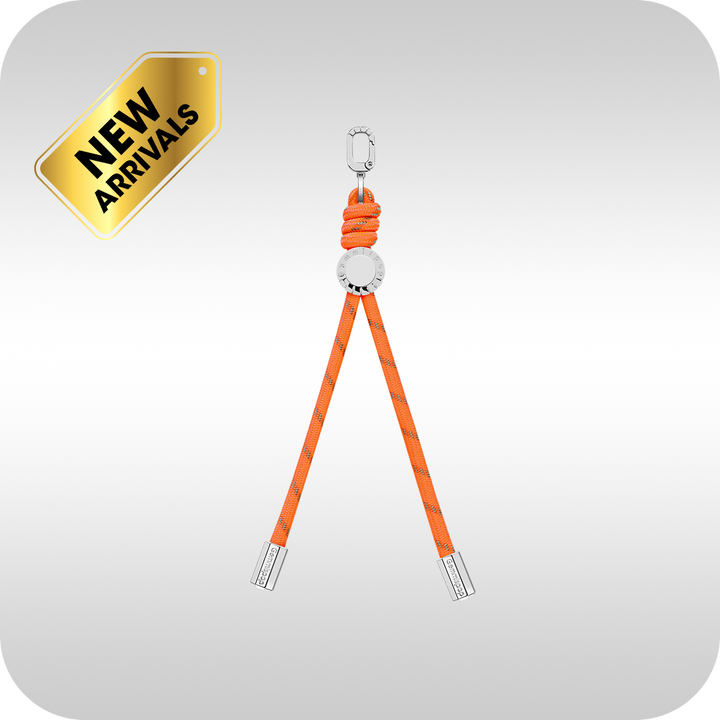
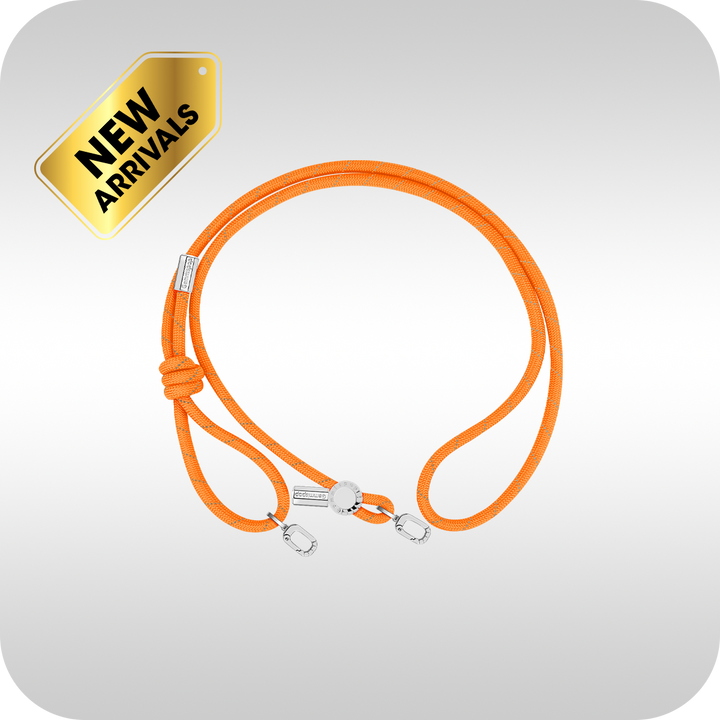
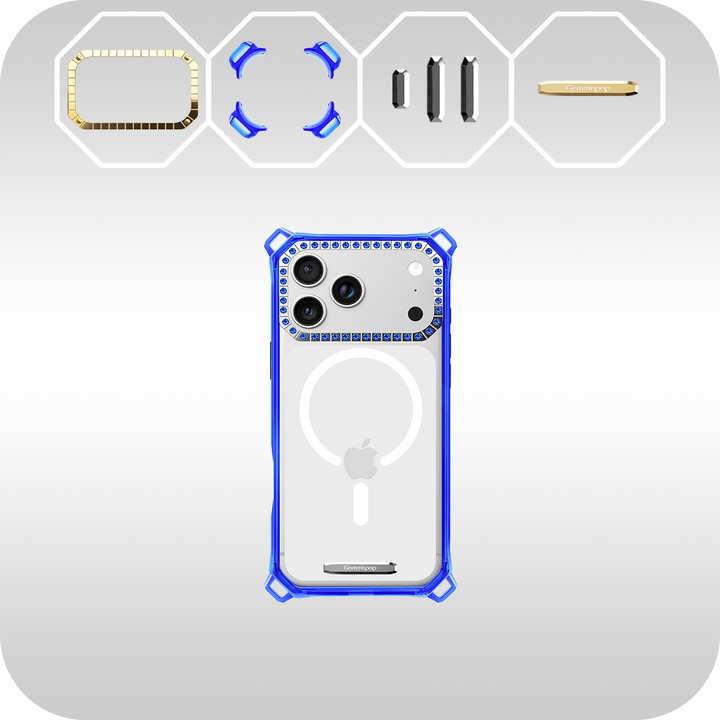
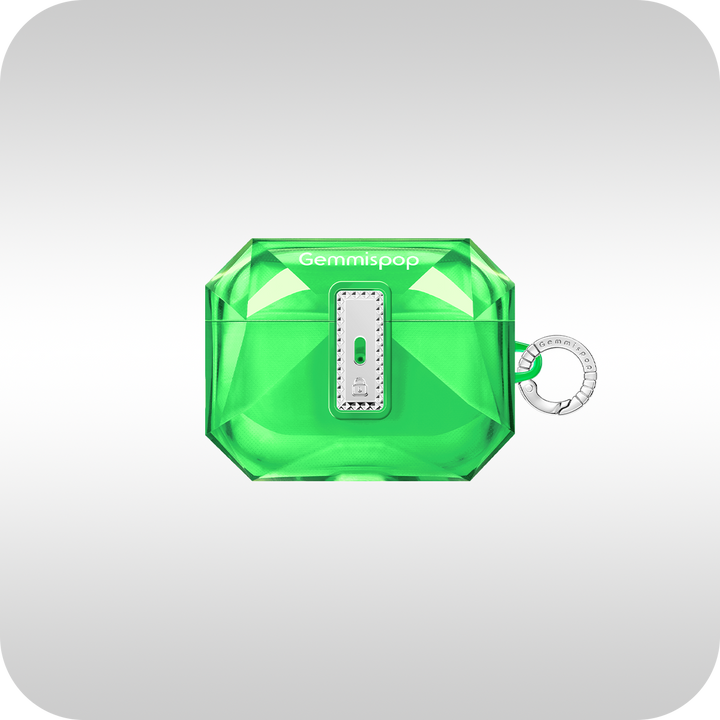
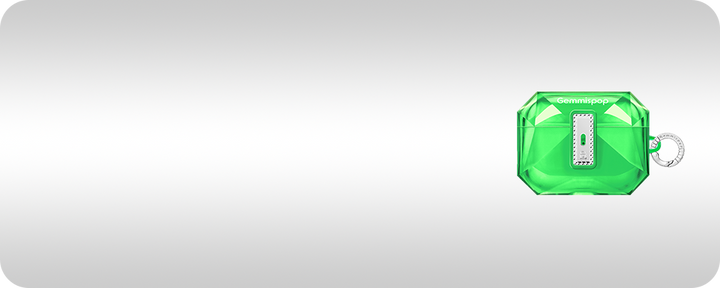
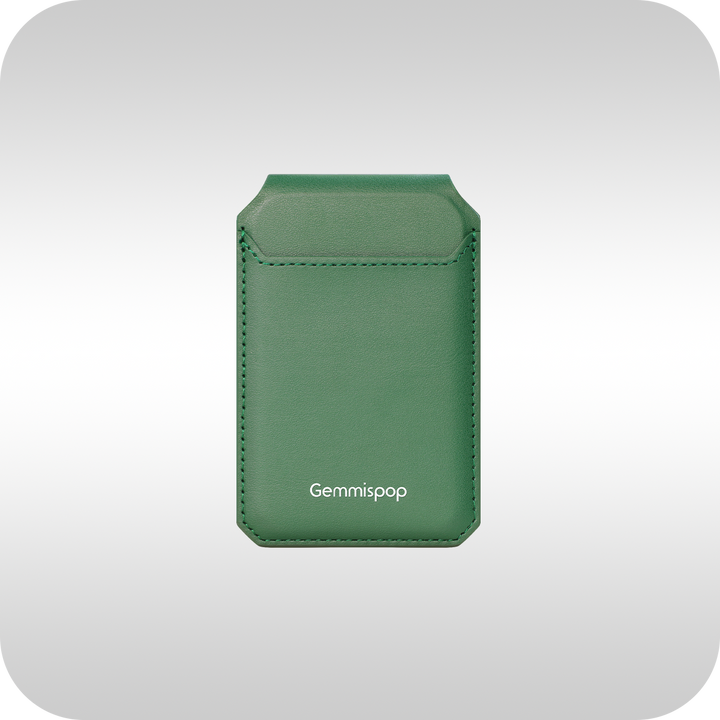
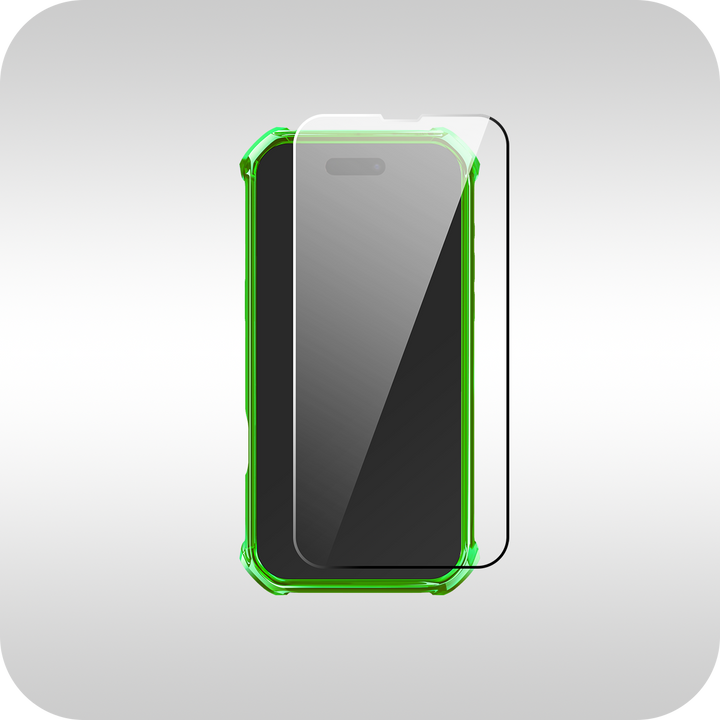
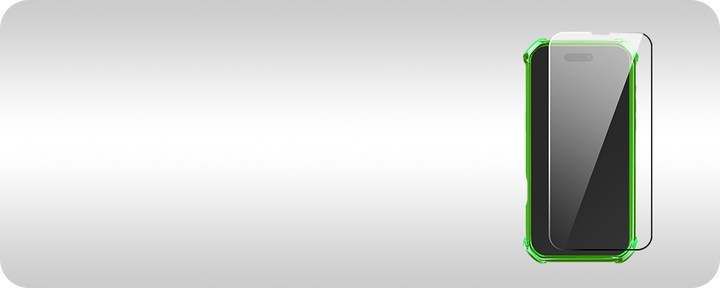
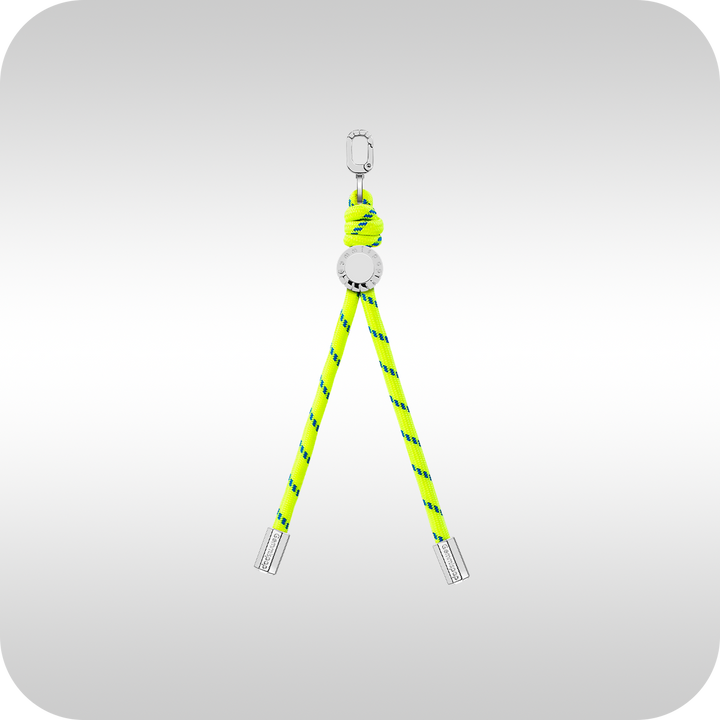
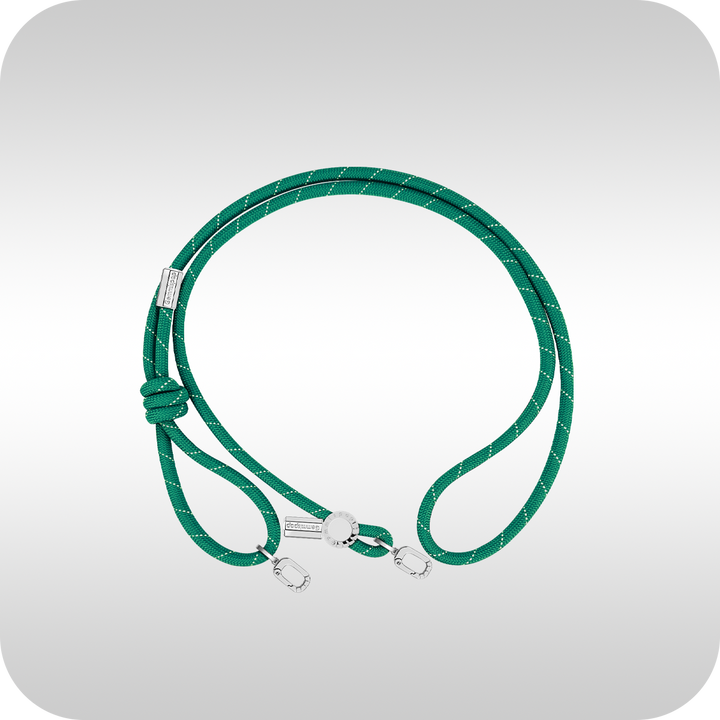
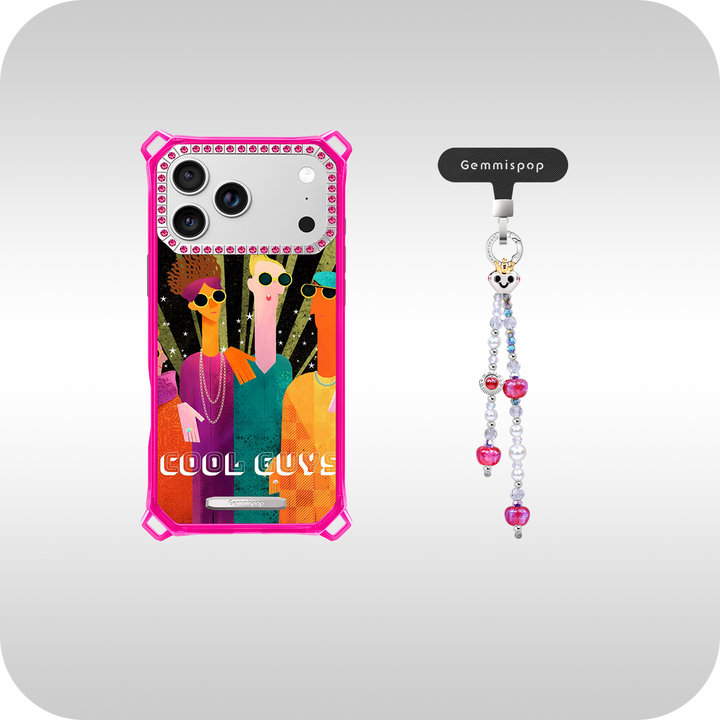
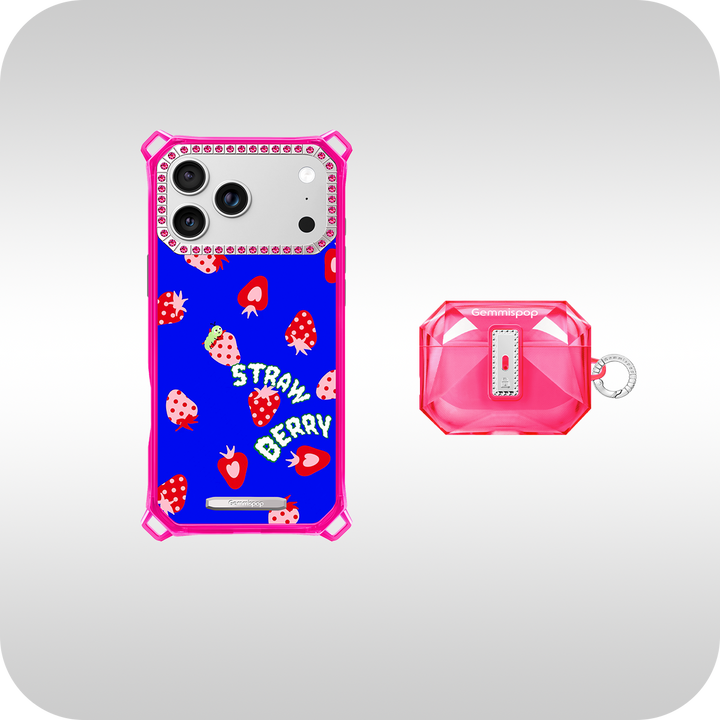
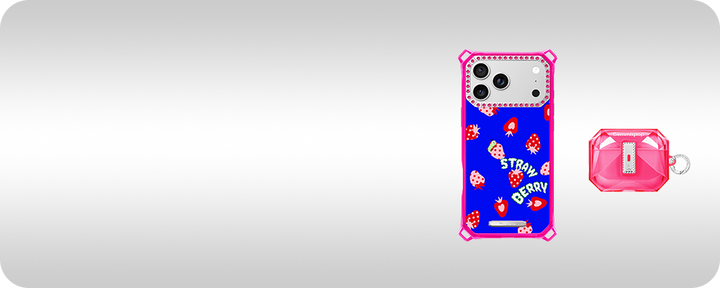
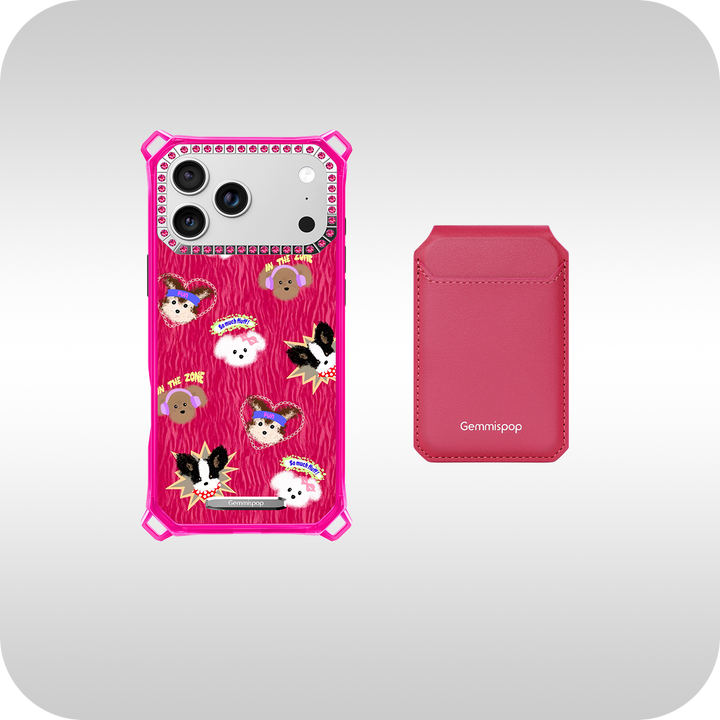
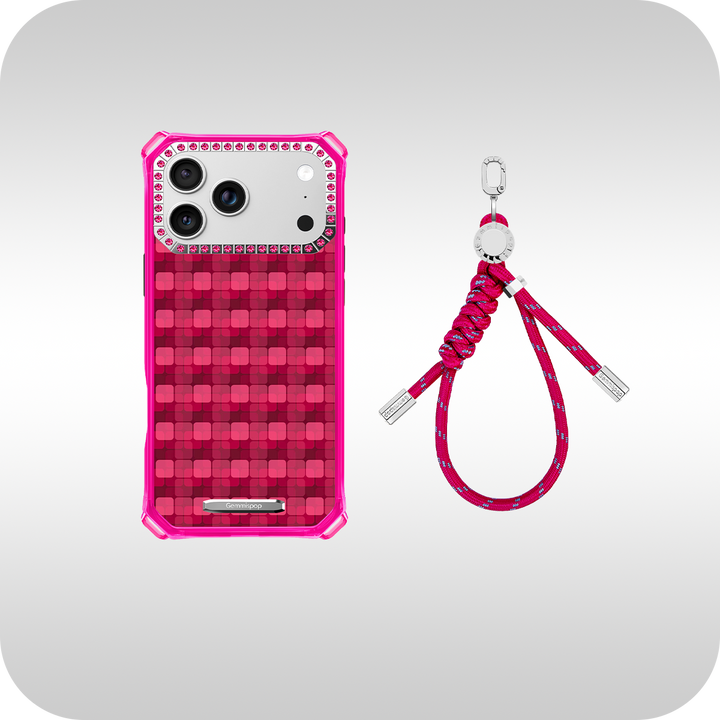
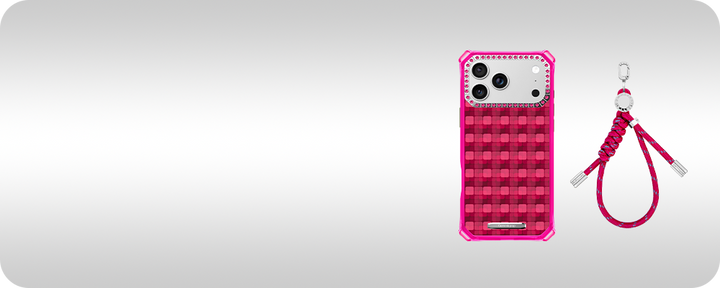
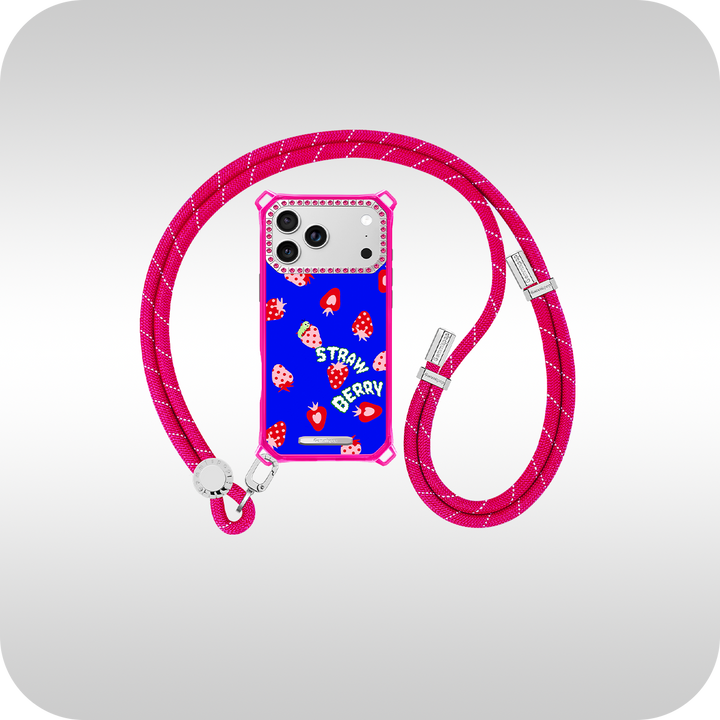
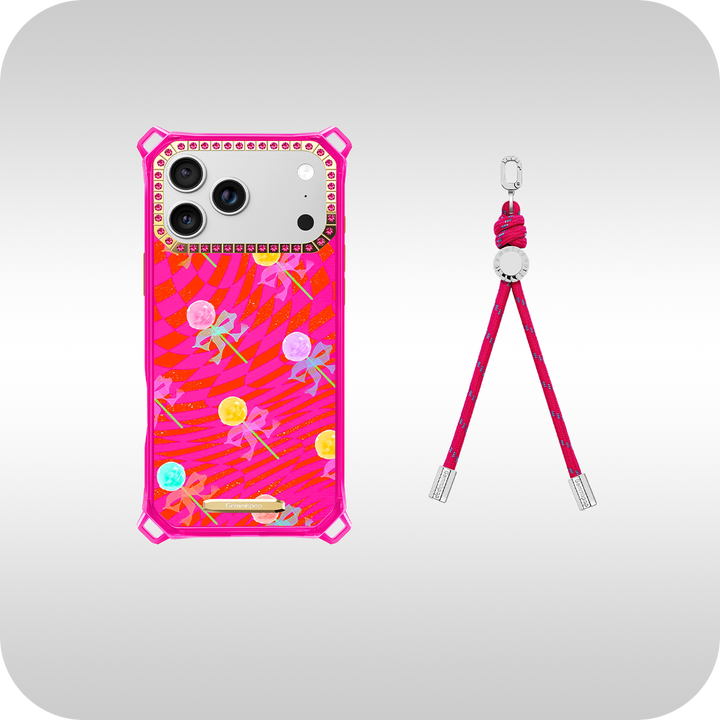
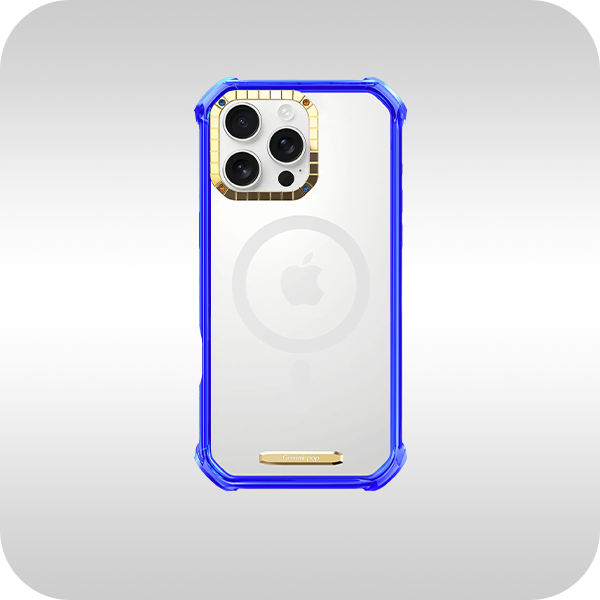
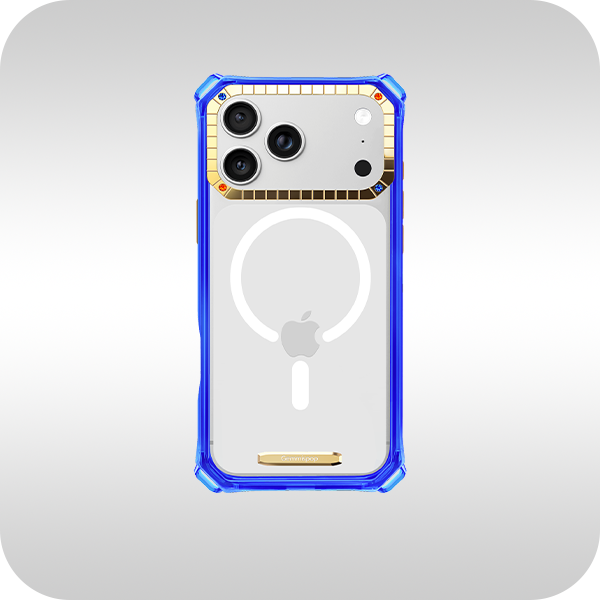
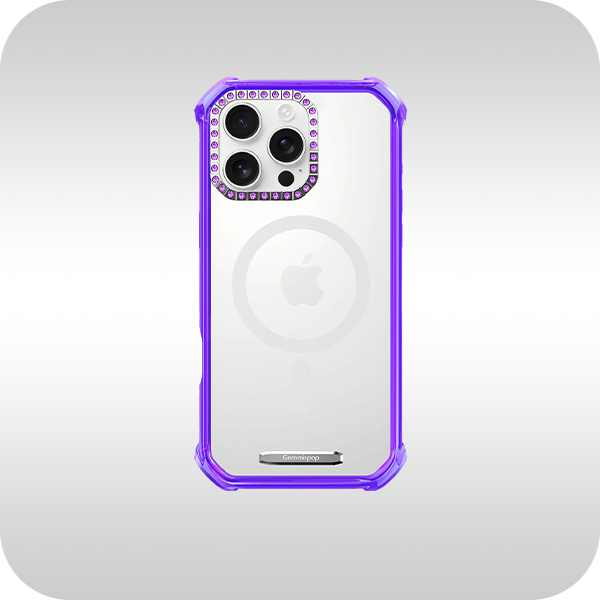
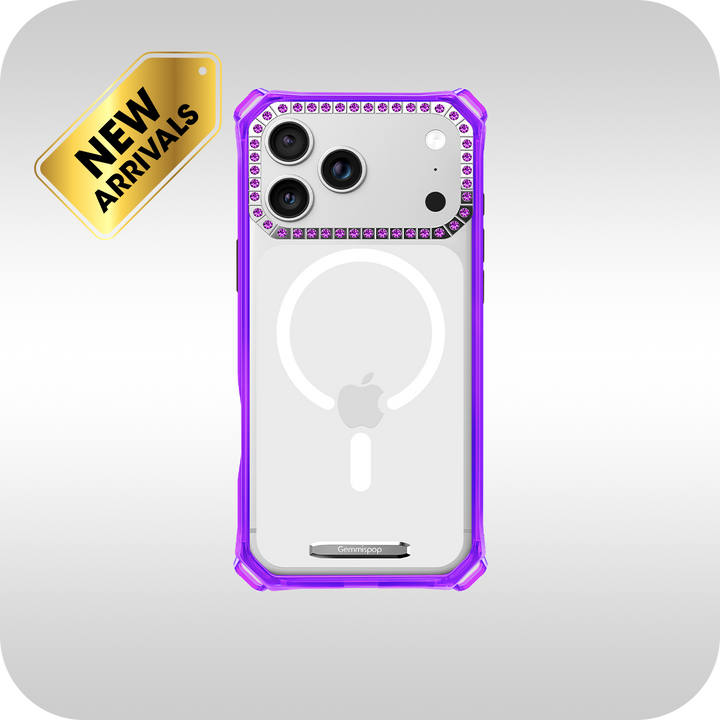
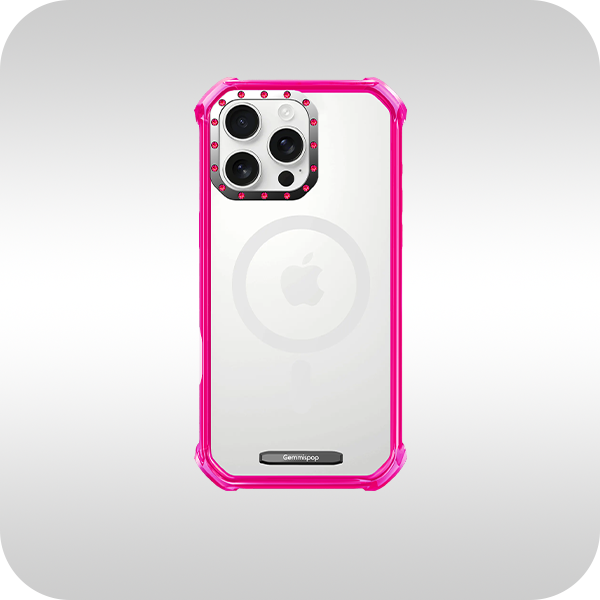
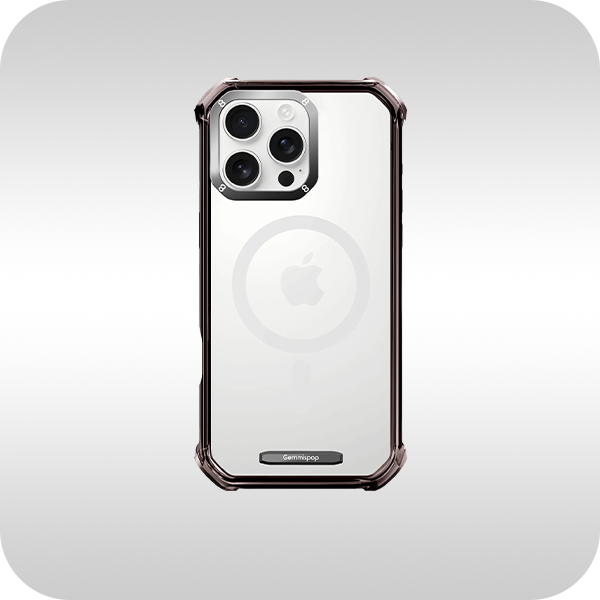
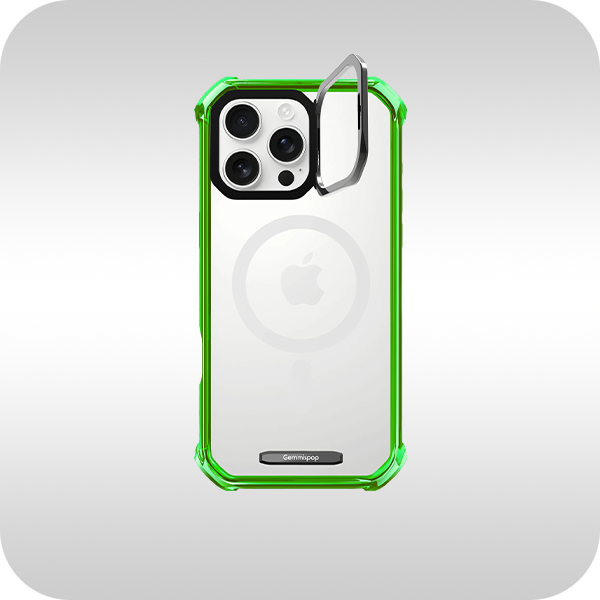
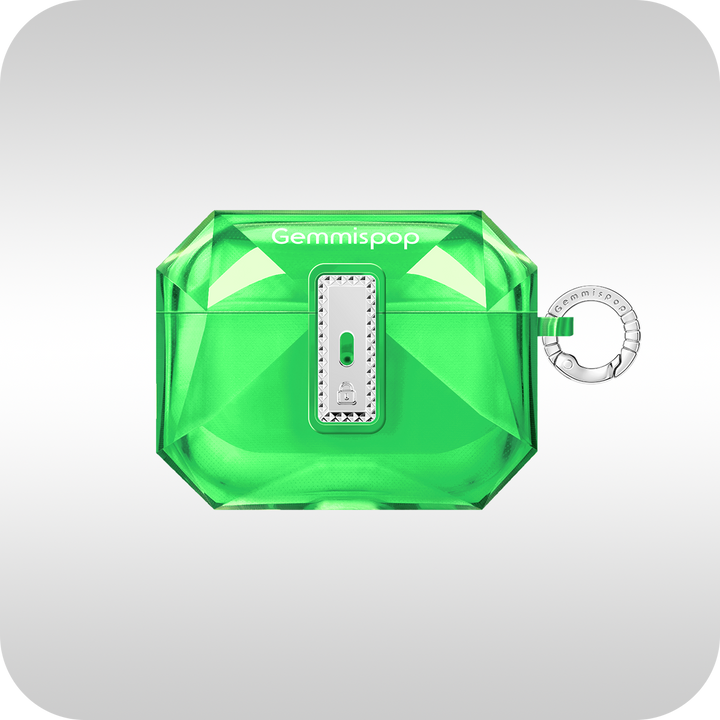
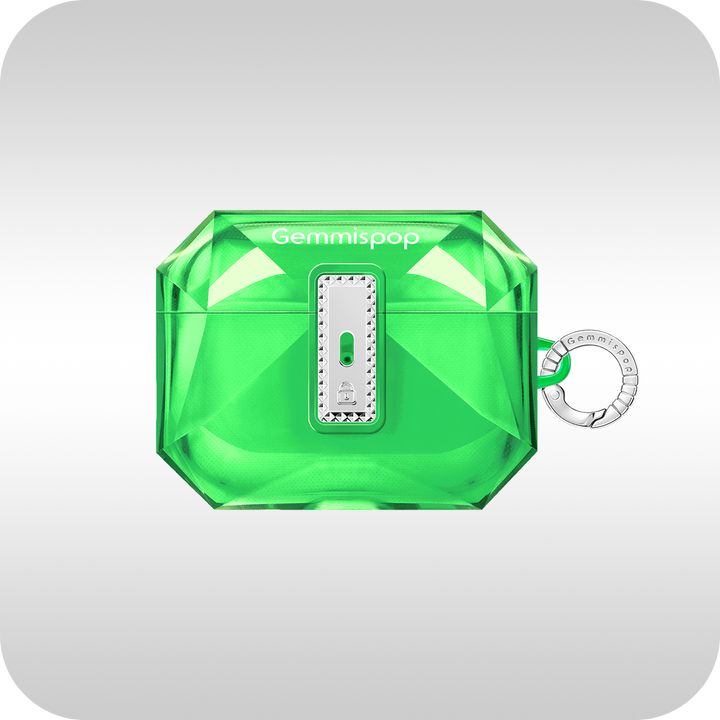
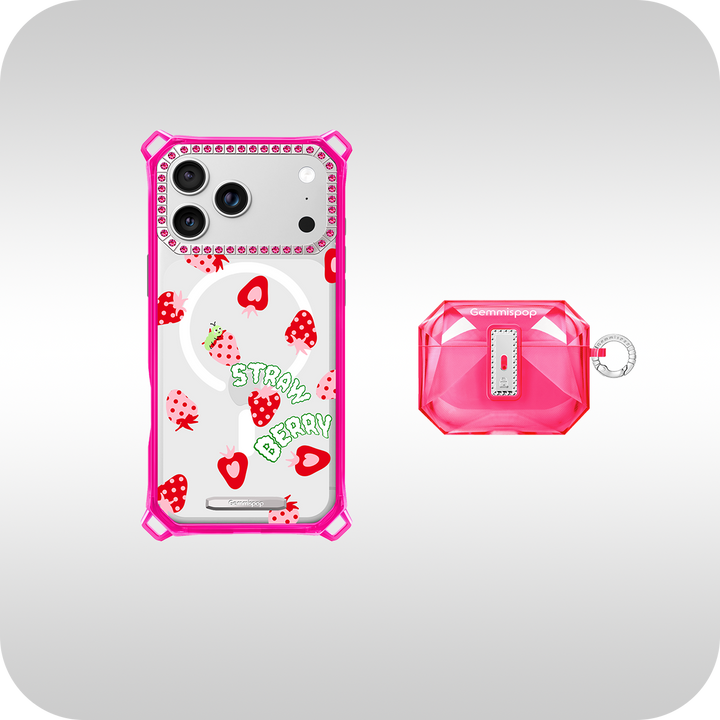
If you are ready to turn a moodboard into a finished piece, explore the Gemmispop iPhone Case Collection for base styles that can complement different personal aesthetics. The collection is a useful starting point for people who want to make their own phone cover with attention to scale, color, and detail. Before completing an order, check exact model availability on the product page and confirm any model-specific compatibility information shown there.

FAQ
Can I upload my own artwork to create a custom iPhone case?
Yes — many case providers let you upload artwork or photos. When you upload, use a high-resolution image and follow the provider’s specifications for file type and size. Run through the proofing checklist above so important details aren’t cropped by camera cutouts or edges.
How do I ensure the case will fit my iPhone model?
Always select the exact iPhone model from the product options and double-check the product listing for model compatibility before ordering. Manufacturers list which model sizes and camera layouts each case supports; confirming that information on the product page reduces the chance of a mismatch.
Will a personalized case still offer basic protection?
Personalized cases typically combine aesthetic customization with standard protective functions like scratch resistance and edge coverage, but protection levels vary by design and material. If protection is a priority, look for details about corner coverage and raised edges and choose a style that balances your aesthetic goals with the level of protection you want.


